
Many players choose online slot games based on the theme, bonus rounds, graphics, jackpot size, or provider name. These things matter, but they do not explain how risky a slot game may feel during real play. One of the most important factors to understand before choosing a slot is slot volatility.
Slot volatility explains how often a slot pays and how large or small those wins usually are. It does not predict the next spin or guarantee a win, but it helps players understand a game’s risk profile before starting. For players using Hehe555 or exploring online slot games in Bangladesh, understanding volatility can make slot selection easier, safer, and more realistic.
What Does Volatility Mean in Slots?
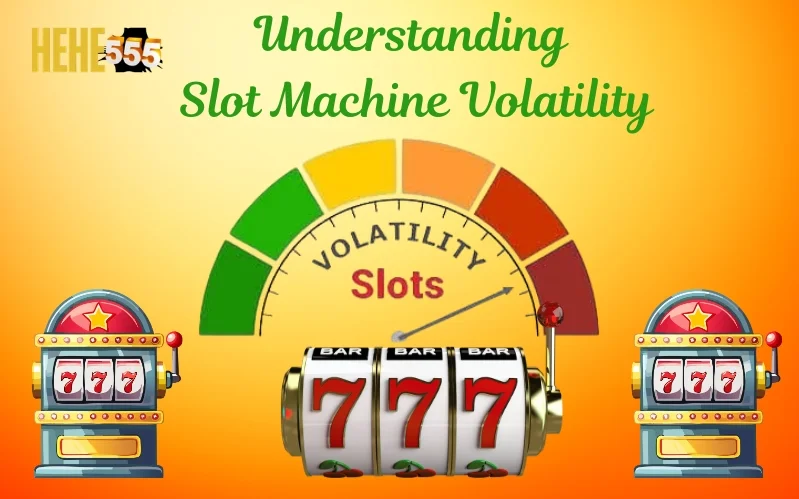
Slot volatility means the risk level of a slot game. It shows how a game usually behaves over many spins. Some slots pay small wins more often, while others may go many spins without a win but offer the chance of larger payouts.
A low volatility slot usually gives more frequent small wins. Such slots may pay less often, but the wins can be bigger when they happen. Medium-volatility slots sit between the two styles and offer a balanced playing experience.
In simple words, volatility helps answer this question:
Is this slot steady, balanced, or risky?
This is why players should not choose a slot only because it has attractive graphics or a large jackpot. A game can look exciting but still be very risky if its volatility is high.
High vs Low Volatility Slots: Main Difference
The easiest way to understand volatility is to compare low- and high-volatility slot games sidee by side.
| Feature | Low Volatility Slots | High Volatility Slots |
| Win frequency | More frequent | Less frequent |
| Win size | Usually smaller | Bigger potential |
| Risk level | Lower | Higher |
| Best for | Beginners and small bankrolls | Experienced players |
| Session style | Longer and steadier | Shorter and riskier |
| Losing streaks | Usually shorter | Can be longer |
| Excitement level | Steady play | Bigger swings |
Low volatility slots are usually more comfortable for players who want steady entertainment. High-volatility slots are better suited to players who understand risk and can handle longer dry spells without emotionally overextending their budgets.
Which Slot Volatility Is Best for Beginners?
For beginners, low- or medium-volatility online slots are usually the better choice. These games are easier to understand and often provide longer playtime with better budget control.
High volatility online slots can be exciting, but they may also create frustration because wins can be less frequent. A beginner may start chasing losses or increasing bets too quickly if they do not understand how high volatility works.
On Hehe555, beginners should focus on learning the game rules, reading the paytable, checking the RTP, and starting with low- or medium-volatility online slots before trying riskier games. The goal should be entertainment and learning, not fast profit.
A safer beginner approach is:
- Start with low or medium volatility
- Use small bet sizes
- Read the game information first
- Avoid chasing bonus rounds aggressively
- Set a session limit before playing
How to Choose Slot Volatility Based on Bankroll
Your bankroll means the amount of money you are willing to use for a gaming session. Volatility should match your bankroll because different games behave differently.
If you have a small bankroll, low-volatility slots may be better because they usually deliver more frequent, smaller wins. This can help extend the session and reduce fast balance drops.
If you have a medium bankroll, medium-volatility slots can strike a balance between steady play and better odds of winning.
If you have a larger bankroll and understand the risks, high-volatility slots may be suitable, but only with strict limits in place. These games can have long dry periods, so players should never increase their budget just to recover losses.
A simple guide:
- Small bankroll: low volatility slots
- Medium bankroll: medium volatility slots
- Bigger bankroll: high volatility slots with limits
- Short session: low or medium volatility
- Bonus hunting: high volatility, but with caution
How to Check Slot Volatility Before Playing
Not every slot casino shows volatility clearly on the main screen, but there are still ways to check it before playing.
First, open the game information section. Many providers include RTP, paytable details, bonus rules, and sometimes a volatility rating. Second, read the paytable carefully. If the game has huge top prizes but fewer smaller payouts, it may be higher volatility.
You can also check trusted slot reviews, provider descriptions, or demo mode where available. Demo mode can help players understand game behavior without risking real money, although demo results do not guarantee future outcomes.
Before playing, check:
- RTP percentage
- Paytable structure
- Bonus feature rules
- Maximum win potential
- Provider information
- Volatility rating if available
- Demo mode or review details
Common Mistakes Players Make with Slot Volatility
Many players misunderstand volatility and make poor decisions because they focus only on big prizes. One common mistake is choosing a slot game only because it has a large jackpot. Big jackpot slots are often high-volatility, which can be risky for small budgets.
Another mistake is thinking that high RTP always means low risk. A slot can have a high RTP but still be high-volatility. This means short sessions can still be unpredictable.
Some players also believe volatility can predict when a win is coming. This is not true. Volatility only explains a game’s risk style. It does not tell you when to spin, when to stop, or when a bonus will appear.
Avoid these mistakes:
- Choosing slots only by jackpot size
- Ignoring volatility and RTP
- Playing high volatility slots with a small budget
- Increasing bets after losses
- Believing dry spins mean a big win is due
- Playing without reading the paytable
Slot Volatility, Variance, RTP and Hit Frequency: Quick Comparison
Slot players often see terms like volatility, variance, RTP and hit frequency, but these terms do not mean the same thing. Understanding the difference helps players choose online slot games more carefully and avoid judging a game only by jackpot size or RTP percentage.
| Term | What It Means | What It Tells You | Example |
| Slot Volatility | The risk level of a slot game | Whether wins may be small and frequent or bigger and less frequent | Low volatility may give smaller regular wins, while high volatility may have longer dry periods |
| Slot Variance | Another common term for slot volatility | How unpredictable the slot result pattern can feel | High variance slots may feel riskier because wins can be less regular |
| RTP | Return to Player percentage | The long-term theoretical return of a slot over many spins | A 96% RTP slot is designed to return around 96% over a very large number of spins |
| Hit Frequency | How often a slot machine may create any winning result | How regularly winning spins may appear | A high hit frequency slot may give more small wins, but not always bigger payouts |
Online Slot Selection Tips for Safer Play
A smart slot selection process should include more than just choosing a popular game. Players should consider volatility, RTP, provider reputation, bonus terms, and their budget before starting.
On Hehe555, players can use volatility as a simple filter. If you want steady play, choose low or medium volatility. If you prefer bigger risk and understand dry periods, high volatility may be an option, but only with a fixed limit.
In Bangladesh, many players enjoy mobile slot games because they are quick and easy to access. This makes responsible selection even more important. Fast access should not lead to fast decisions. Always check the game details first and avoid playing emotionally after losses.
Responsible Slot Play Checklist
Slot games should be played for entertainment. Volatility can help you understand risk, but it cannot remove risk completely. Every player should set personal limits before starting.
Use this simple checklist:
- Set a budget before playing
- Choose volatility according to your balance
- Start with small bet sizes
- Read the paytable
- Understand RTP and volatility
- Do not chase losses
- Take breaks during long sessions
- Avoid emotional betting
- Play for fun, not guaranteed income
- Stop when your limit is reached
Responsible play is more important than any slot strategy.
FAQs About Slot Volatility
What does volatility mean in online slots?
Volatility means the risk level of an online slot game. It explains whether a game usually pays smaller wins more often or bigger wins less often.
Are high volatility slots better?
Such slot games are not always better. They may offer bigger payout potential, but they are also riskier and can have longer periods without wins.
Are low volatility slots good for beginners?
Yes, such slots are often better for beginners because they usually offer more frequent small wins and longer play sessions.
Is RTP the same as volatility?
No. RTP shows the long-term theoretical return of a slot, while volatility explains the risk and payout pattern. Both are important.
Can slot volatility predict wins?
No. Slot volatility cannot predict wins. It only helps players understand a game’s general risk style.
What is the best slot volatility for small bankrolls?
Low volatility is usually better for small bankrolls because it may offer more regular, smaller wins and less sudden loss of balance.
Can a high RTP slot still be risky?
Yes. A slot can have a high RTP and still be high-volatility. This means it may have good long-term return potential but risky short-term results.