
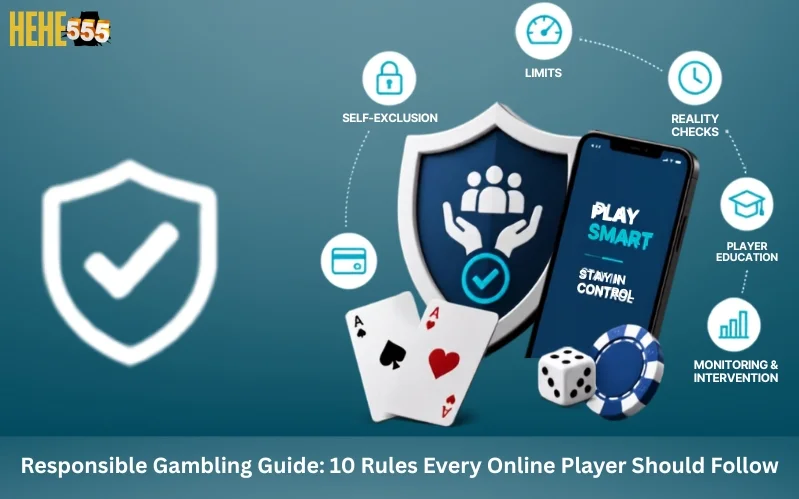
Gambling is a form of entertainment that involves risk, which is why understanding responsible play is important. Too many players get into trouble because they forget one simple truth: gambling should be entertainment, not a way to make money. The moment it starts to feel like a job or a way to fix a financial problem, something has gone wrong.
Responsible gambling rules exist to help players enjoy the experience without losing control. It’s really about two things: your time and your money, and making sure neither one slips out of your hands while you’re having fun. Before you place a single bet online, it helps to understand the risks involved and to know what “playing smart” actually looks like.
Let’s walk through everything you need to know about gambling responsibly, from setting limits to recognizing early warning signs. Responsible gambling practices help players maintain control and make informed decisions, and that’s exactly what we’ll cover here in plain, practical terms.
What Is Responsible Gambling?
Responsible gambling simply means playing in a way that keeps you in charge of your money, your time, and your emotions. It’s not about being scared of gambling or avoiding it altogether. It’s about building habits that keep the activity fun instead of letting it become a problem.
A responsible gaming guide usually comes down to a few healthy habits: knowing your limits, sticking to a budget, and being honest with yourself about why you’re playing. The moment gambling turns into a way to “win back” money or escape stress, it stops being entertainment and starts becoming risky.
Here’s a simple way to see the difference:
| Responsible Gambling | Risky Gambling |
| Fixed budget | Spending more than planned |
| Playing for entertainment | Gambling to recover losses |
| Taking breaks | Playing continuously |
If your habits look more like the left column, you’re on the right track.
Why Responsible Gambling Matters for Online Players
Online gambling comes with a convenience that land-based casinos never had: you can play from your phone at any hour, from anywhere. That convenience is exactly why online gambling safety tips matter so much. There’s no dealer to notice you’ve been playing for six hours straight, and no physical cash running low to remind you to stop.
A few things make online casino play riskier if you’re not careful:
- Easy access means it’s simple to keep playing “just one more round” without a natural stopping point.
- Digital money can feel less real than cash, making it easier to overspend without noticing.
- Personal finances can take a real hit if limits aren’t set in advance.
None of this means online gambling is inherently unsafe. It just means safe online gambling practices need a little more intention when the casino is always open in your pocket.
10 Responsible Gambling Rules Every Player Should Follow
1. Set a Gambling Budget Before You Start
Before you deposit a single rupee or dollar, decide exactly how much you’re willing to spend and treat that number as final. This is the foundation of gambling bankroll management. Never use money set aside for rent, bills, or other essentials. Think of it the same way you’d think of a movie ticket or a night out: it’s an entertainment expense, not an investment.
2. Never Chase Your Losses
One of the most common gambling mistakes is trying to “win back” what you’ve lost by increasing your bets. Losses are a normal part of gambling, not a signal to play harder. The moment you catch yourself raising your bet size out of frustration rather than strategy, it’s time to step away.
3. Set Time Limits and Take Regular Breaks
It’s easy to lose track of time when you’re playing online. Set a playing schedule in advance, avoid marathon sessions, and build in regular breaks. A short pause every 30–45 minutes helps you stay clear-headed and makes it much easier to notice if your habits start slipping.
4. Understand Gambling Odds Before Playing
Every casino game involves an element of chance, and every game is built with a house edge, meaning the odds are structured in the platform’s favor over time. No system or strategy guarantees a profit. Going in with realistic expectations is one of the simplest items on any gambling safety checklist.
5. Do Not Gamble When Emotional
Knowing how to gamble responsibly also means knowing when not to gamble at all. Avoid playing when you’re:
- Stressed
- Angry
- Upset
- Trying to escape a problem in your life
Decisions made in these states are rarely good ones, and gambling has a way of amplifying emotional swings rather than calming them.
6. Keep Gambling Separate From Your Daily Life
Gambling should sit alongside your other hobbies, not replace them. Make sure it isn’t affecting your relationships, your work, or the responsibilities you have to take care of each day. If gambling starts taking priority over what matters, that’s a sign to pull back.
7. Use Responsible Gambling Tools
Most licensed platforms offer safe gambling tools designed to help you stay in control, including:
- Deposit limits
- Spending limits
- Reality checks (reminders of how long you’ve been playing)
- Self-exclusion options
These tools exist precisely so you don’t have to rely on willpower alone; use them.
8. Protect Your Account and Personal Information
Safety isn’t only about money; it’s also about security. Stick to secure, licensed platforms, review your account settings regularly, and never share your login details with anyone. Good online casino games safety tips always include basic account hygiene alongside spending discipline.
9. Recognize Warning Signs of Problem Gambling
Being honest with yourself is one of the most powerful tools you have. Watch out for signs like:
- Spending more than you originally planned
- Hiding your gambling activity from friends or family
- Borrowing money to keep playing
- Feeling like you’ve lost control over when to stop
Catching these signs early makes them far easier to address.
10. Know When to Stop and Seek Support
Asking for help is not a weakness; it’s one of the most responsible things a player can do. If gambling starts to feel stressful, compulsive, or hard to control, take a break and reach out to a professional support service. There’s no shame in it, and support resources exist for exactly this reason.
Common Responsible Gambling Mistakes to Avoid
Even experienced players fall into these traps from time to time:
- Gambling with borrowed money
- Believing that losses can always be recovered with the “right” bet
- Increasing bets emotionally instead of strategically
- Ignoring the personal limits you set for yourself
Avoiding these few mistakes solves most of the problems players run into.
Responsible Gambling Features Players Should Look For
Reputable platforms build player protection directly into their products: account controls, transparent odds information, and safer gaming features that make it easier to stay within your limits. Responsible online platforms, including gaming websites, can help players make better decisions by providing clear information and safer gaming features. When a platform is upfront about the risks and gives you real tools to manage your play, that’s a good sign you’re in the right place.
Final Thoughts: Responsible Gambling Starts With Control
At the end of the day, responsible gambling rules all point back to one idea: gambling should stay entertainment, never an income source. Setting limits on time, money, and emotions creates a safer, more enjoyable experience. Players who stay in control get to enjoy the fun of the game without the risk of it turning into something more serious.
FAQs
What Does Responsible Gambling Mean?
Responsible gambling means playing with fixed limits on time and money, treating gambling purely as entertainment, and staying in control of your decisions rather than letting emotions or losses drive your play.
How Can I Gamble Responsibly Online?
Set a budget before you start, avoid chasing losses, take regular breaks, and use the deposit limits and reality-check tools most platforms offer.
What Are the Most Important Gambling Limits?
The most important limits are a fixed spending budget, a set time limit per session, and a personal rule to never use money meant for essentials like rent or bills.
How Can I Avoid Gambling Addiction?
Stick to a pre-set budget, avoid gambling when emotional, take regular breaks, watch for early warning signs like hiding activity or borrowing money, and seek support if gambling starts to feel out of control.
Are There Tools to Control Online Gambling?
Yes, most licensed platforms offer deposit limits, spending limits, reality checks, and self-exclusion options that help players stick to their limits automatically.